AMREF Flying Doctors recounts a complex medical evacuation of a premature infant from Hargeisa, Somaliland, to Nairobi, Kenya
When AMREF Flying Doctors was contacted about a premature newborn in Hargeisa, the urgency was immediately clear. Born at 29 weeks’ gestation and just 12 days old, the infant required advanced neonatal care that was unavailable locally. What followed was not only a medical challenge, but a carefully coordinated operation involving regulatory approvals, specialist preparation, and precise timing, all centred on one fragile patient.
A newborn at 29 weeks
The patient was a 12-day-old newborn, delivered prematurely at 29 weeks’ gestation. Born far too early and weighing barely enough to fit in the palm of a hand, the infant required continuous respiratory support, careful temperature control, and close monitoring from the first moments of life.
Although the baby was initially stabilised, the medical facility in Hargeisa was not equipped to manage the complications associated with extreme prematurity. Advanced neonatal intensive care services, specialised equipment, and trained neonatal personnel were limited. Distance from fully equipped referral centres, combined with logistical constraints, placed the infant’s life at risk.
“As nurses, we know how quickly a premature infant can deteriorate,” said Sophie, a Flight Nurse with AMREF Flying Doctors. “In settings where resources are limited, stability can change very quickly.”
For the family, the situation was overwhelming. They watched a fragile newborn fight for every breath, knowing that survival depended on access to specialised care beyond what was locally available.
The patient was a 12-dayold newborn, delivered prematurely at 29 weeks’ gestation
When evacuation became the only viable option
Given the severity of the infant’s condition, the attending clinicians recommended an urgent transfer to a specialised neonatal intensive care unit.
AMREF Flying Doctors received a request from the parents, supported by several calls from the Somaliland embassy in Nairobi, to assist with the evacuation. From the outset, it was clear that the mission would involve more than clinical planning alone.
Planning before the aircraft moved
As a newborn, the patient had no travel documentation, and there were no consular services available in Hargeisa to process emergency papers. All documentation had to be handled through Nairobi.
Before any aircraft could be dispatched, immigration clearance, cross-border approvals, and confirmation from the receiving hospital were required. The process took a total of 11 days to complete. During this period, AMREF Flying Doctors coordinated closely with immigration authorities, diplomatic channels, and medical teams to secure the necessary approvals.
At the same time, preparation continued in parallel. Neonatal equipment was mobilised, checked, and confirmed to be fully functional and appropriate for the patient’s size and weight. A neonatal-specialised medical team was selected to ensure the infant received the highest level of care during transfer.
“People often think the flight is the hardest part,” Sophie explained. “In reality, most of the work happens before you ever get near the aircraft. By the time we fly, everything needs to be ready.”
Once Kenyan immigration authorities accepted the emergency documents, the flight was dispatched.
Specialist care and safe transfer
Throughout the transfer, the medical team focused on maintaining physiological stability and minimising stress on the infant.On arrival, the baby was transferred directly to a specialised neonatal unit, where advanced care was initiated immediately. Under specialist management, the infant stabilised and showed steady improvement.
For the family, the successful evacuation brought relief and renewed hope, turning a life-threatening emergency into a path toward recovery.
By the time we fly, everything needs to be ready
Why this mission matters
This mission highlights the gap in access to specialised neonatal care in remote parts of Africa, where timely intervention is often unavailable. Air ambulance and charity evacuations play a critical role in bridging these distances and ensuring that even the most vulnerable patients can reach life-saving care.
In this case, the defining factor was not the flight itself, but the preparation that preceded it. By the time the aircraft was dispatched, the equipment had been checked for a patient weighing just over a kilogram, the medical team selected for neonatal experience, and regulatory clearance secured after 11 days of coordination. Only then could the transfer proceed safely, with no margin for adjustment once airborne.
For the family, the successful evacuation brought relief and renewed hope, turning a life threatening emergency into a path toward recover
First Published: ITIJ March 2026 Air Ambulance Review
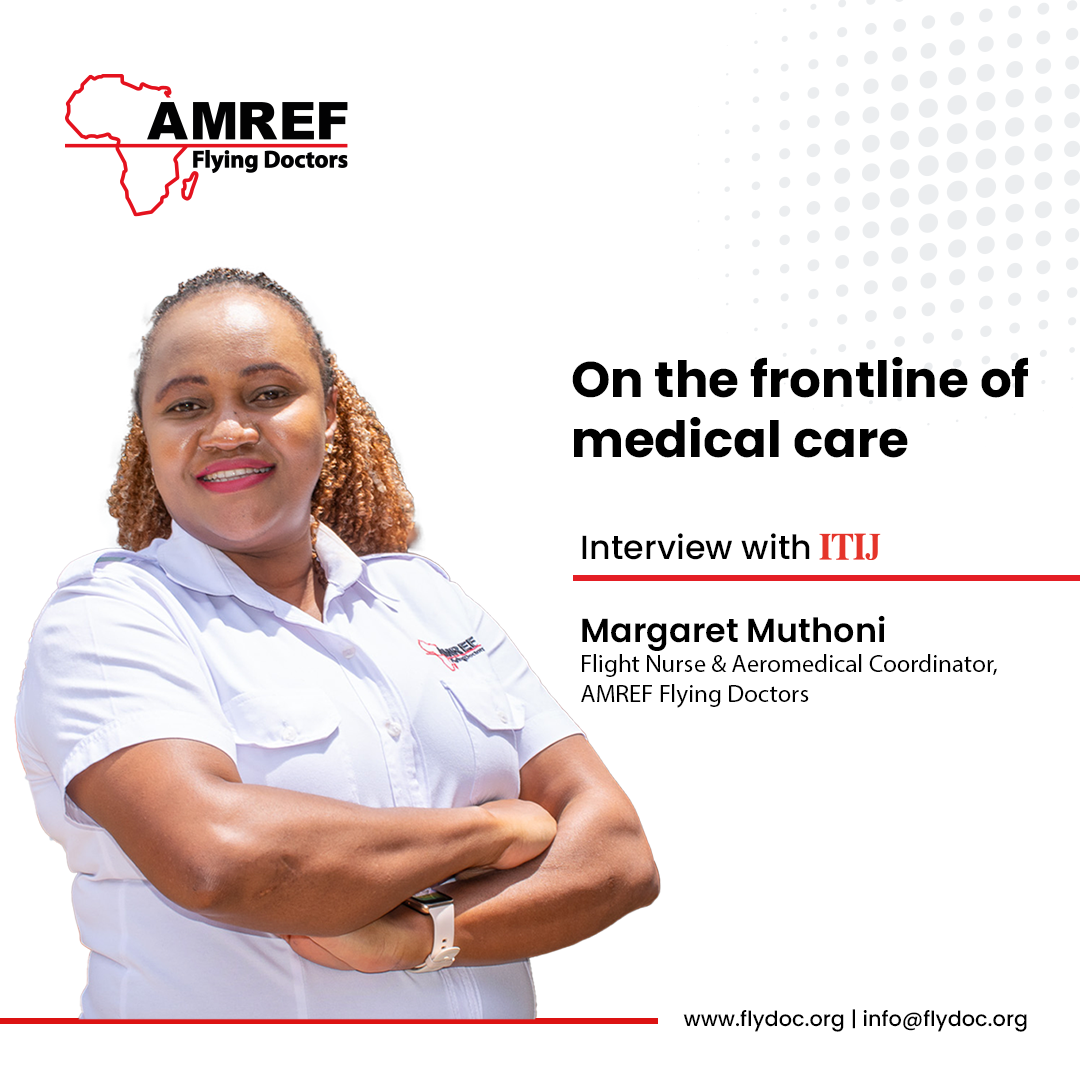
Authors: Sophie Cheruiyot and Margaret Muthoni
Editor: Jane W. Muthoni